
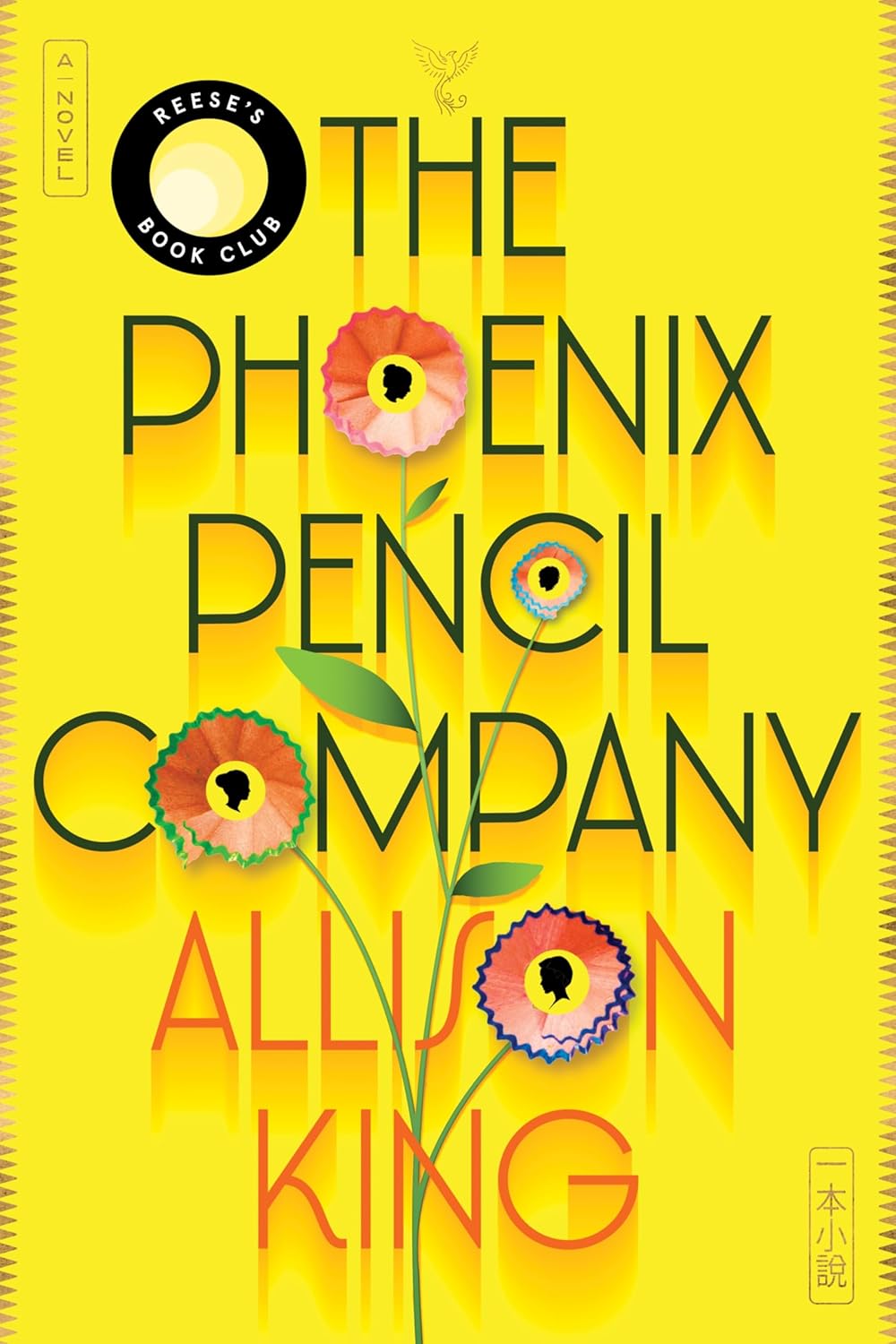

Synopsis
In Japanese-occupied Shanghai, cousins Yun and Meng find refuge and purpose in their family’s pencil company. The Phoenix Pencil Company, however, is no ordinary stationery business—and they’re not an ordinary family. The power these women yield, they call it reforging. When a pencil is reforged, the women are able to reveal previously written words, making them powerful tools in wartime espionage. The girls assist their mothers who begin working with Chinese military intelligence operatives, but the fall of Shanghai and the civil war that follows pull them apart—Meng is left in Shanghai, and Yun escapes to safety in, Taiwan.
In current-day 2018, Yun’s granddaughter Monica, a tech-savvy college student, is working on a journaling app called EMBRS—which is meant to link people through their journal entries via data sourcing, when she finds a clue about Meng’s whereabouts. Monica, with the help of her new friend Louise, attempts to reunite the estranged cousins before Yun’s memories fade due to dementia. With that proving to be a feat, since both women are ailing and travel is not something either can do, Yun knows just the way to get her words to Meng.
Told through alternating perspectives and timelines, The Phoenix Pencil Company blends history and magical realism in a story about legacy, forgiveness, and the stories we leave behind.
Character Notes
Yun, now 91, wants to celebrate her birthday with Arby’s roast beef and peace of mind. But with a recent dementia diagnosis, she’s suddenly aware that time is running out to make sense of her past and let go of the guilt she’s carried for decades.
Monica, her granddaughter, has always been a bit adrift—left behind by her parents, raised by her grandparents, and overly focused on academics. When she returns home to care for Yun and her grandfather, she’s forced to reckon with her own identity and the weight of generational history.
Louise, a confident Princeton undergrad, struggling with her own lot in life, becomes an unlikely bridge between past and present. While she and Monica are very different, their parallel searches for meaning and self give the story a modern, emotional pulse.
My Thoughts
I really loved this book—both for the story it told and the way it told it. I was pulled in immediately by the concept: magical pencils used during wartime to spy on the enemy? Yes, please. But what stayed with me wasn’t just the fantasy or even the history, it was the emotional weight of memory, identity, and legacy, especially as it relates to family.
Yun’s experience, especially her guilt, grief, and eventual acceptance of what she’s carried since the war, was beautifully rendered. Her voice was clear, and her journey felt so real, especially when faced with the looming shadow of dementia. I couldn’t help but think of my own grandmother and the questions I never asked. There’s a kind of heartbreak in watching someone lose pieces of themselves when you’re still trying to understand who they were to begin with.
I also appreciated that the book didn’t rush the emotional beats. It gave space for both Monica and Louise to explore their identities and their place in the world. Their friendship—and eventual romance that simmers beneath it—felt natural and modern, a nice contrast to the more intense, high-stakes narrative of Yun’s past.
And EMBRS? The idea of a journaling app that uses your own words as source data to connect people, felt eerily reminiscent of the spying that the women were doing for the government. I couldn’t stop thinking about the ethical implications of such kind of technology and even before it is mentioned, I knew that somehow the journaling source data was going to be sold (similar to what Meta does now) and it felt icky. Glad Monica got away from that company and her professor. Fu*k him!
We called the power Reforging. The power to bring a story back to life. The power to understand a writer’s words, exactly as they intended them. The power of perfect connection.
This book made me think, it made me feel, and it made me want to learn more about history, about the personal cost of war, and about the things we pass down through generations, whether by blood, story, or silence.
Final Verdict
Read it. Then call your grandmother.



 whitneydaniell
Leave a comment