
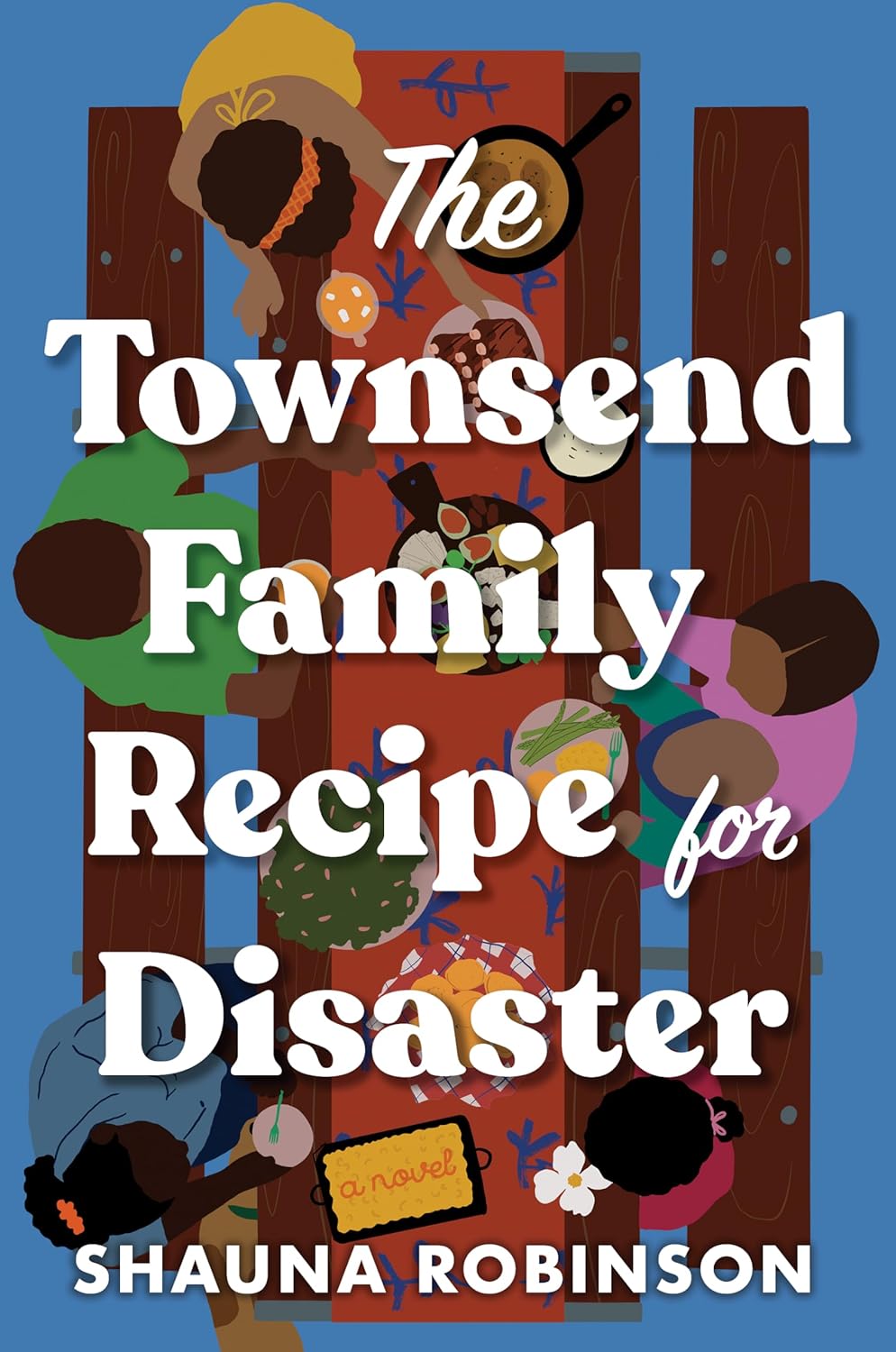

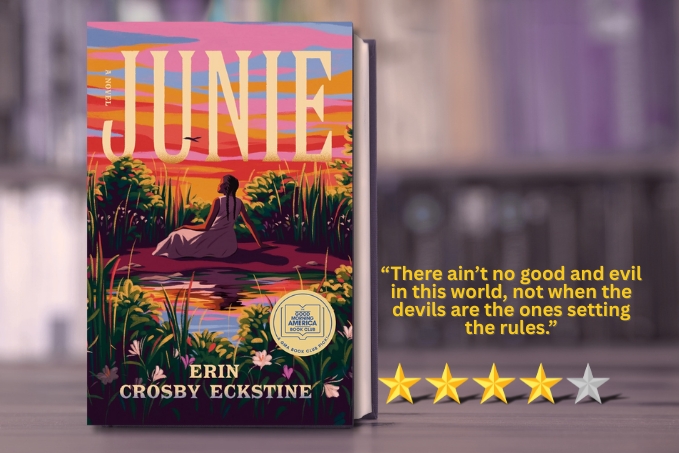
DISCLAIMER: I don’t even know where to start with this review. Two stars is generous—because I hated just about everything about this book. I’ll try to be constructive in my criticism and sprinkle in a few things I did enjoy… if I can think of any.
Synopsis
It’s three weeks before Mae and Connor’s wedding when Mae discovers—via an Instagram post—that her paternal grandmother has passed away. Mae, a biracial woman who was primarily raised by her white mother and maternal family in Bakersfield, CA, begins to feel a pull toward Hobson, NC, where her late father’s side of the family—the Townsends—still live.
She makes a quick decision to drive to North Carolina for the funeral, and what she finds there changes everything. Her journey toward self-discovery and acceptance is bumpy, and the question becomes: will she emerge a better person for it?
A Personal Note
I felt a certain kinship with the Townsend family. My own paternal side is large, loud, loving, and full of kitchen-side drama. To be totally transparent, my personal experiences likely influenced how I perceived Mae—and, by extension, how I felt about the author’s portrayal of family dynamics.
My Final Thoughts
Mae Townsend is a selfish, self-absorbed, biracial woman with a savior complex. I know that sounds harsh, but it’s true. It could be argued that Mae’s behavior is rooted in her upbringing—parents who shielded her from the world instead of preparing her for it. Because of that, Mae turns into a manipulative, self-abandoning people-pleaser. Throughout the book, she suppresses her true self to fit into whatever version she thinks people want. She drinks wine she doesn’t like with Connor’s parents. She never speaks up when she experiences microaggressions, even from her own family. Instead, she swallows the discomfort and betrays herself.
Mae’s trip to Hobson wasn’t about honoring her grandmother—it was about fulfilling a personal need to feel accepted by a family she never knew. That desire to belong, that internal craving for validation from the Townsends? That’s where her mother, Stacy, failed her.
And speaking of Stacy—she was the problem! That’s the real confrontation Mae needed. Stacy was the reason Mae had so many unresolved questions and identity issues, especially considering Mae’s father, Rodney, passed away when she was just fifteen. Mae doesn’t challenge her mother nearly enough, and when she finally does, the conversation stays frustratingly surface-level. I’m sorry, but her mother’s feelings? Be damned. Stacy was the issue, not the Townsends.
At page 48, I jotted down:
“I wonder if the author (Robinson) is a mixed woman with a white mother, because Black folks from the South do not call a repast a damn ‘reception.’ It’s a repast. And we go from the funeral to the cemetery, then back to the church basement or rec room for the repast.”
And wouldn’t you know it—the author is, indeed, biracial. And I’m going to assume her mother is white. Shocker!
The writing and portrayal of Mae screamed “savior complex.” She swoops into Hobson thinking she’s going to “save” the Townsends and this fourth of July barbecue —something no one else asked her to do. She didn’t want Sierra to move to Seattle, which felt selfish, and asking someone to make your wedding cake a week before the wedding? Disrespectful. But of course, it all gets wrapped up in a tidy little bow, because heaven forbid family drama not have a Disney ending.
Connor seemed like a decent, grounding presence for Mae, but even he reached a breaking point. She left right before their wedding and dumped everything—including household responsibilities—on him. He was in the dark about nearly everything. It wasn’t fair, and I’m glad he finally called her out.
And Sierra… girl. You’re a better woman than me. Nothing that happened was really your fault, but Mae would have gotten a lot more from me before we moved forward. And I definitely wouldn’t have made her a wedding cake. Costco sheet cakes are delicious.
This review is getting long—much like chapters eighteen through twenty-eight of this book—so let me wrap it up. Family dynamics are complex and don’t always end with a neat happily-ever-after. I understand nuance, but I wish there had been a more realistic, emotionally honest resolution here instead of glossing over glaring issues. I didn’t find anything about this book heartfelt or heartwarming.
And after all that talk about Althea’s mac and cheese, the author couldn’t even include a recipe? (Side note: if you need a good one, check out Tini the Chef. It’s not my granny’s recipe but it works in a pinch.)
Bottom line?
Hated it.





Leave a Reply